Global opportunities through AI
Artificial intelligence (AI) is rapidly changing work, the economy and society. It also has enormous potential in international cooperation. Our infographic shows where this potential lies.
AI is helping to solve global challenges. It is making GIZ’s work more efficient and cost-effective and is allowing us to reach more people. GIZ is working with partners to ensure that innovations are developed inclusively and benefit everyone. Cooperation with digital companies such as SAP and Mozilla, and with a large number of local start-ups, plays an important role here.
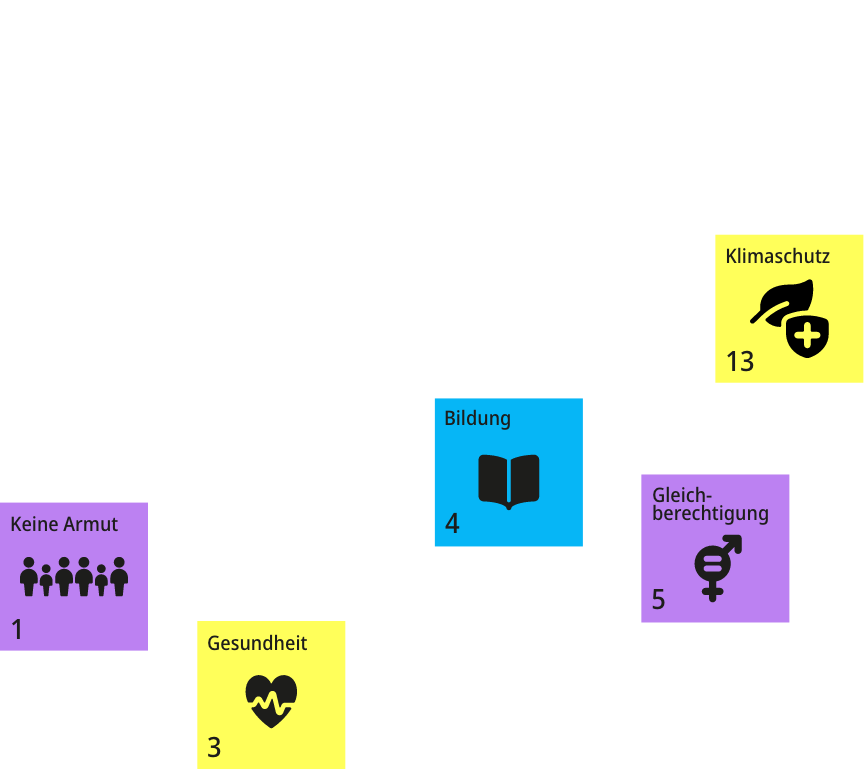
Digital technologies play a pivotal role in more than two thirds of the UN Sustainable Development Goals (SDGs). Whether it is climate-smart agriculture or digital education and health care – they are driving human development significantly.
Source: UN
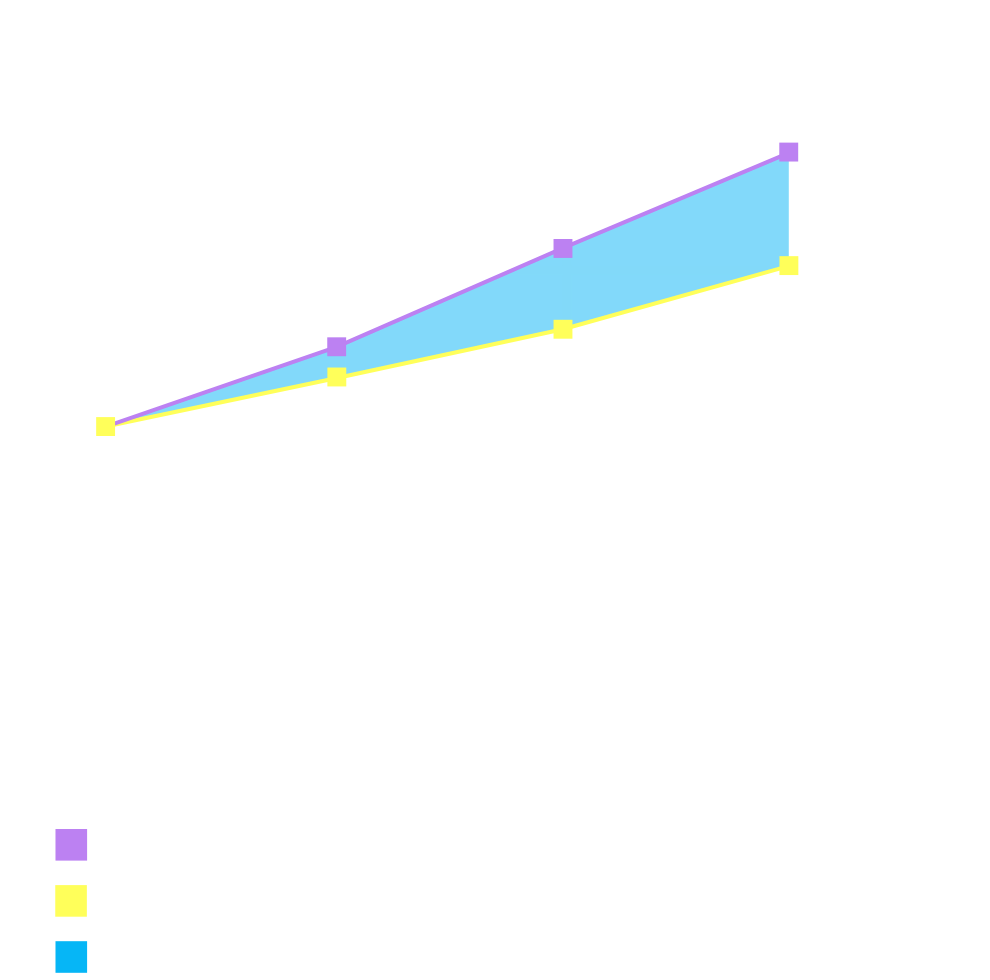
According to estimates by the Global System for Mobile Communications Association from 2024, AI could grow the African economy by up to USD 2.9 trillion by 2030 – equivalent to a three per cent increase in annual gross domestic product (GDP). In a 2021 study, the UN Commission for Africa forecast potential growth of USD 1.5 trillion during this period. Either way, this economic upturn is expected to have a significant impact on the continent’s development by creating jobs and helping to lift millions of people out of poverty.
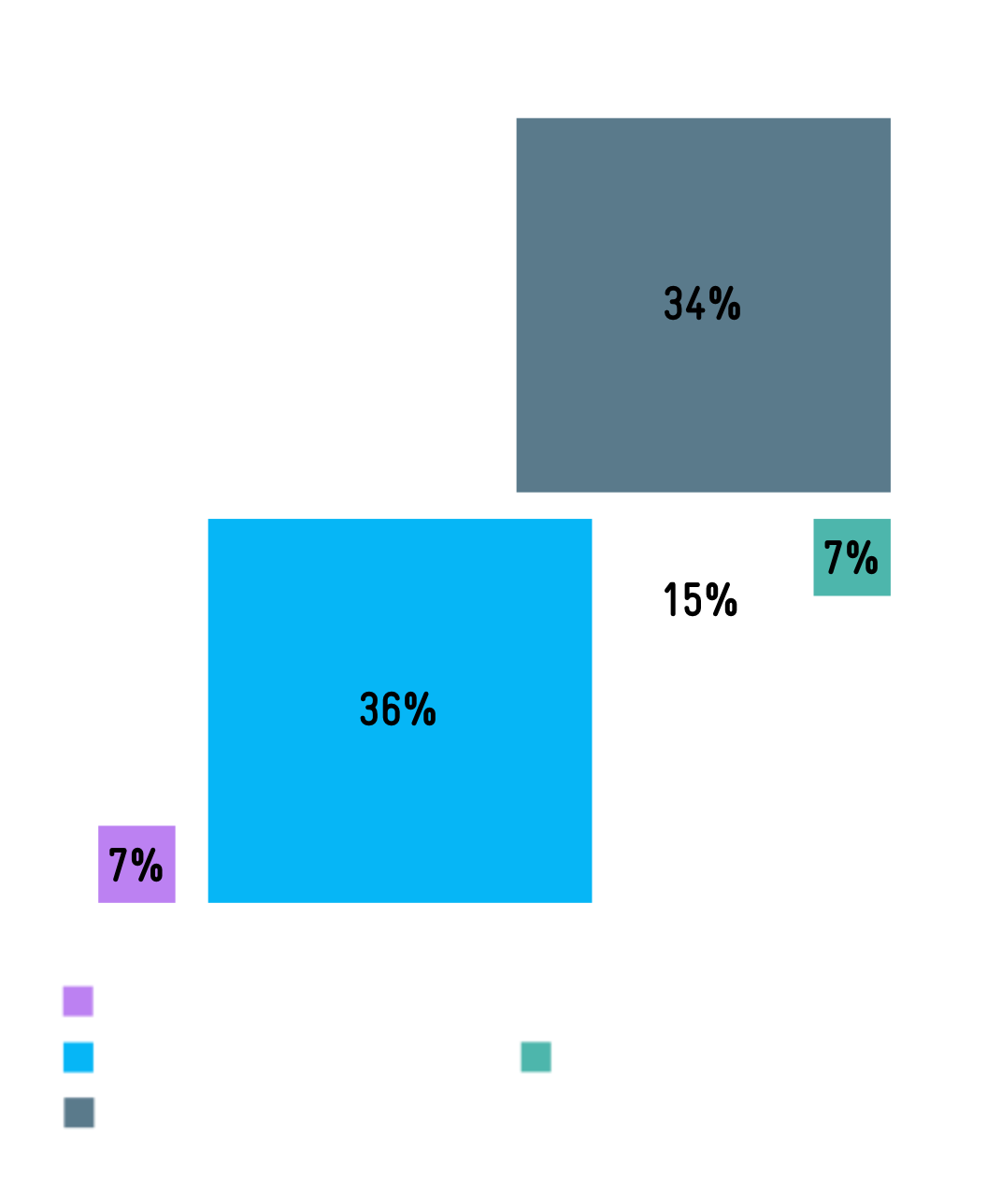
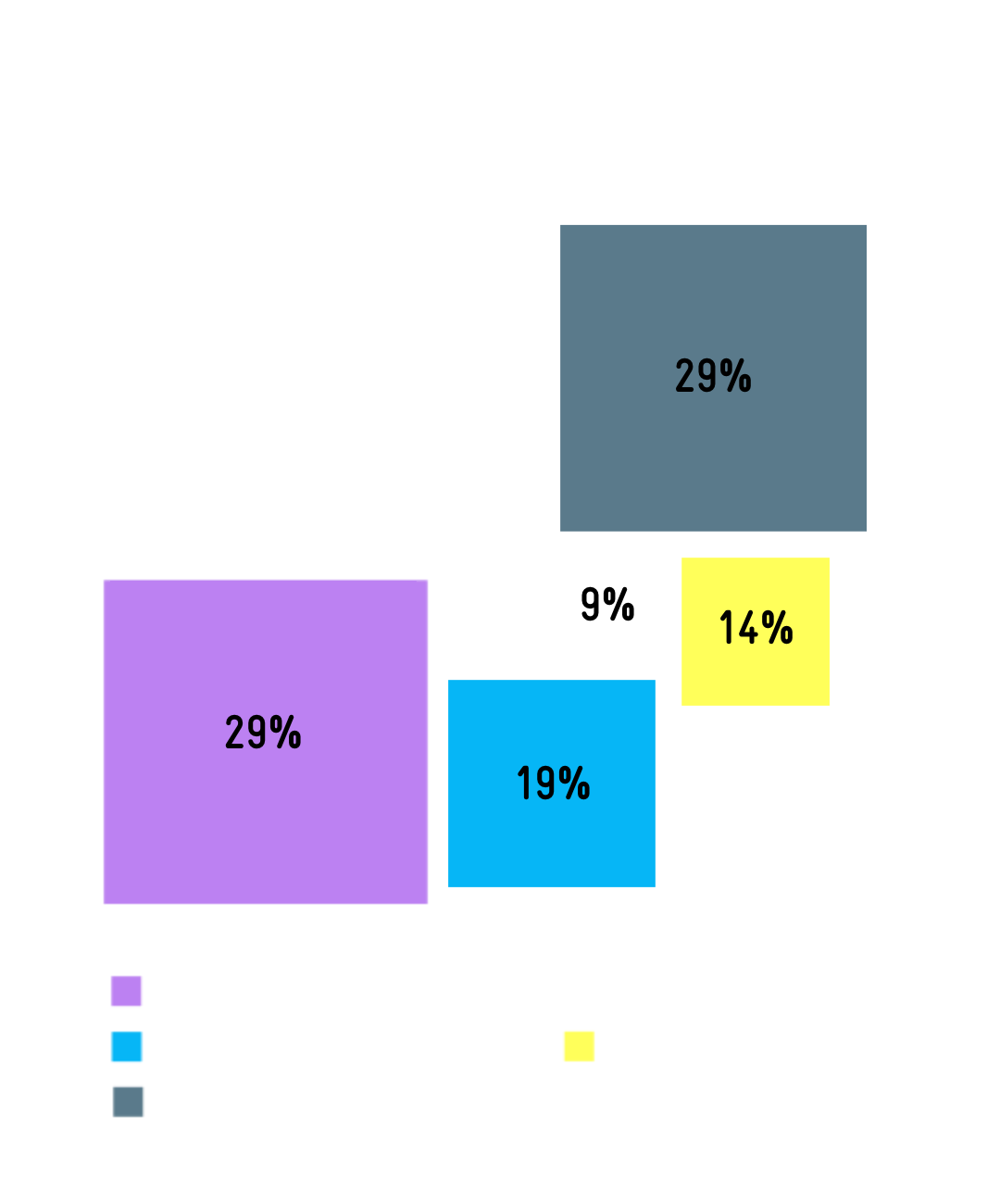
The market for artificial intelligence is growing dynamically: by 2033, its share of the technology market is expected to grow from 7 per cent in 2023 to 29 per cent. This means that the value of this cutting-edge technology will quadruple in just ten years – faster than blockchain or electric vehicles.
Source: UNCTAD
The digital learning platform atingi, which is operated by GIZ on behalf of BMZ, offers data protection-compliant learning opportunities free of charge worldwide and is closing important skills gaps in emerging markets. 1.36 million learners are registered, more than 550 courses are available, and no fewer than 120,000 people have completed courses on artificial intelligence.
Source: atingi.org
The use of AI tools varies significantly around the world. This was the finding of a 2025 study in industrialised and emerging countries. According to the study, more than 70 per cent of the population in most emerging countries regularly use AI, with the highest figures in India and Nigeria (92 per cent each). The average share in industrialised countries is significantly lower at 58 per cent, and in Germany it is just 51 per cent.
Source: KPMG
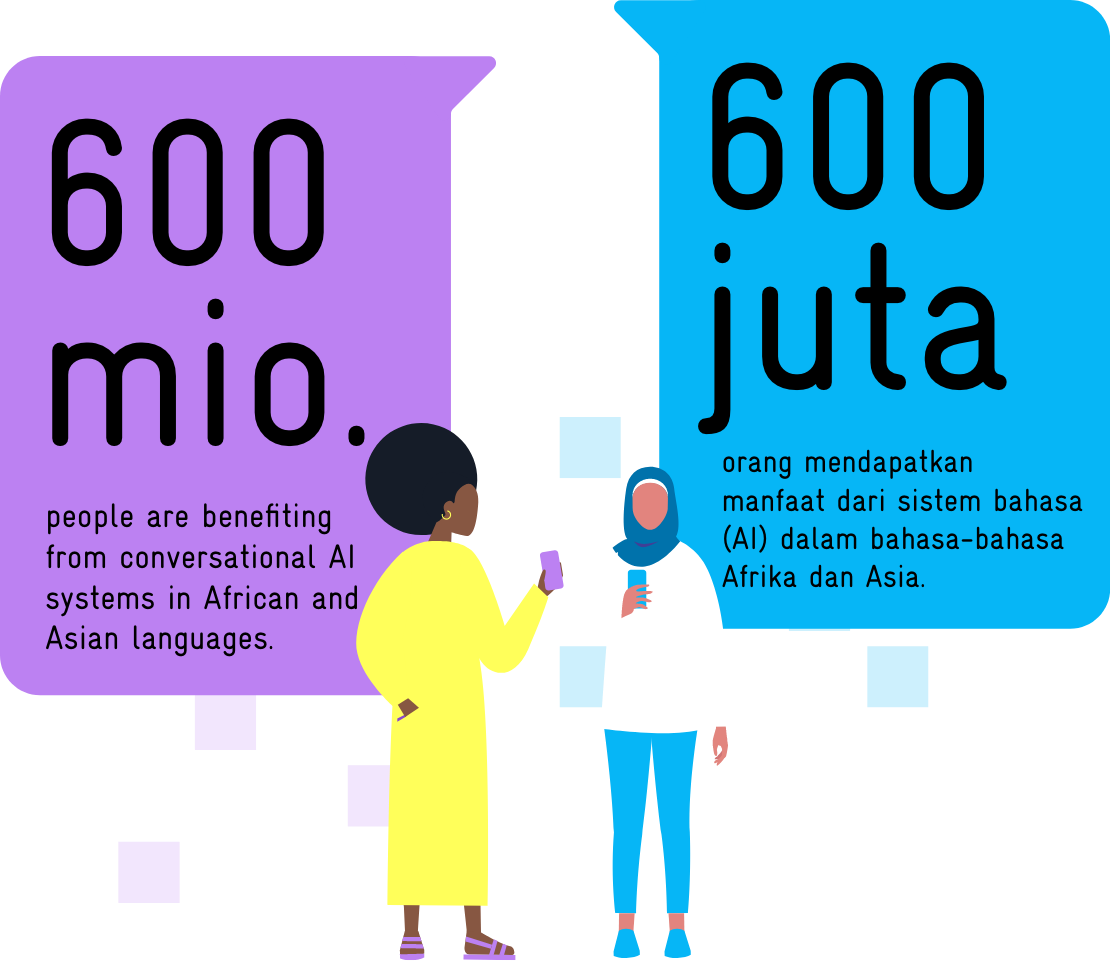
Closing language gaps and giving more people access to digital information: GIZ has teamed up with partners such as the Mozilla Foundation, the Lacuna Fund, Translators without Borders and the Indian Institute of Science (IISc) to develop conversational AI systems in African and Asian languages. 600 million people are already benefiting from this.
Source: FAIR Forward
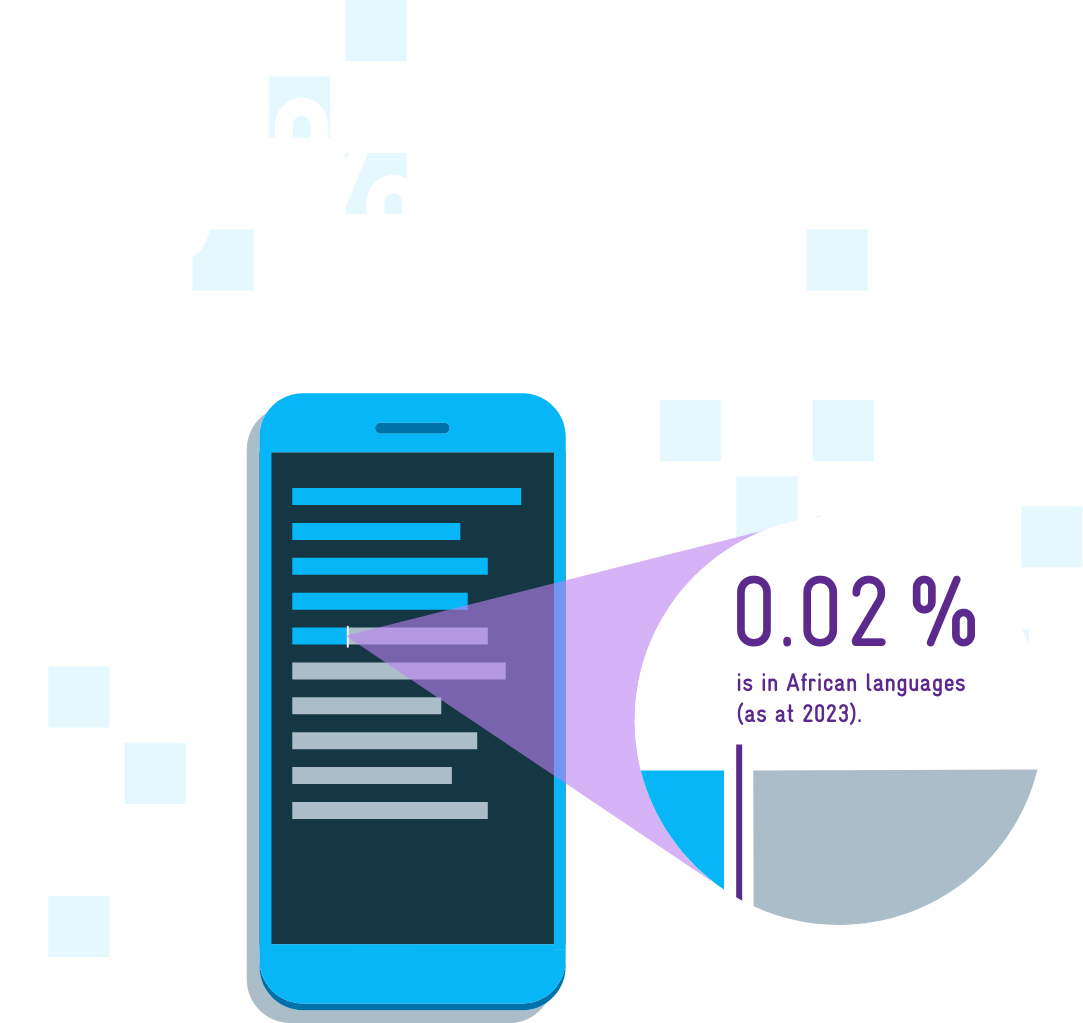
The dominance of the English language on the internet is overwhelming: in 2023, 53 per cent of all internet content was available in English, while African languages accounted for just 0.02 per cent – so there is 2,650 times more content in English.
Source: GSMA
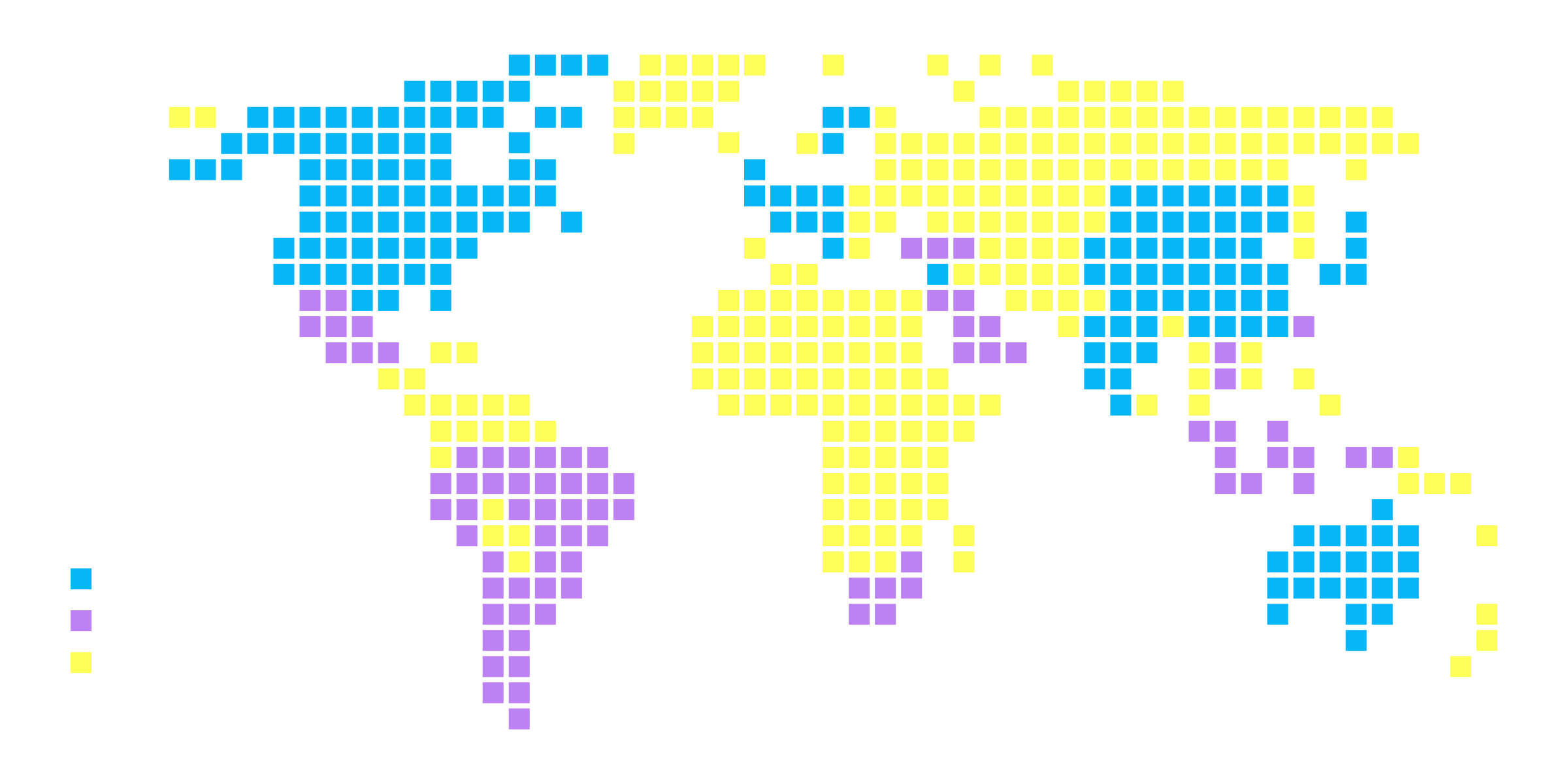
A study by the Oxford Internet Institute shows that only 17 countries have data centres with the graphics processing units (GPUs) that are crucial for AI development – with the exception of India, they are almost exclusively countries in the Global North. China and the US dominate with 49 public cloud regions. Together, these two countries are almost as strong as the rest of the world combined. A further 13 countries provide computing capacity for the use but not the development of AI (‘Compute South’). All other countries are considered ‘Compute Deserts’ – they are dependent on infrastructure in foreign jurisdictions, which has consequences for their digital sovereignty.
Sources: Oxford study, OECD


